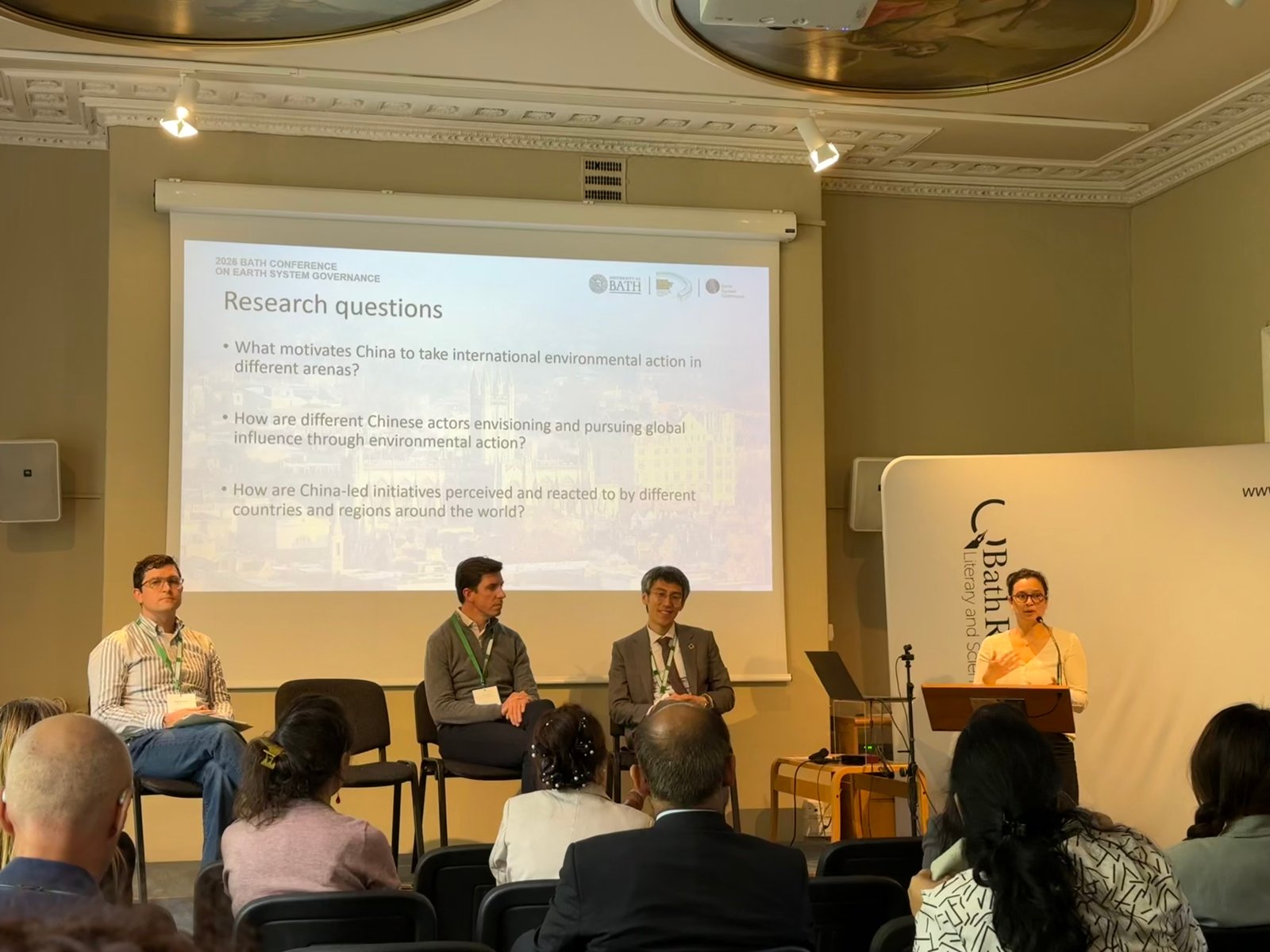
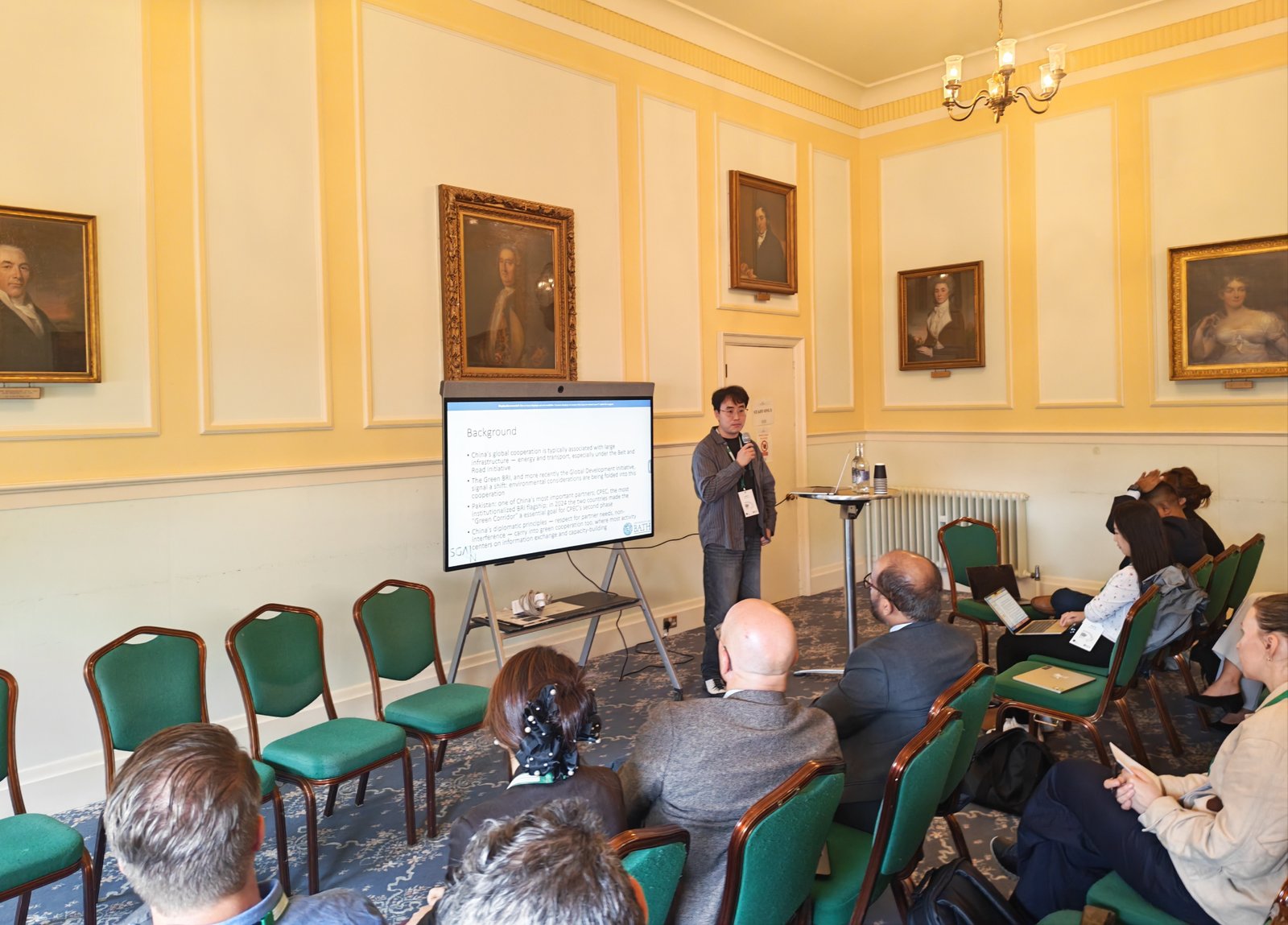
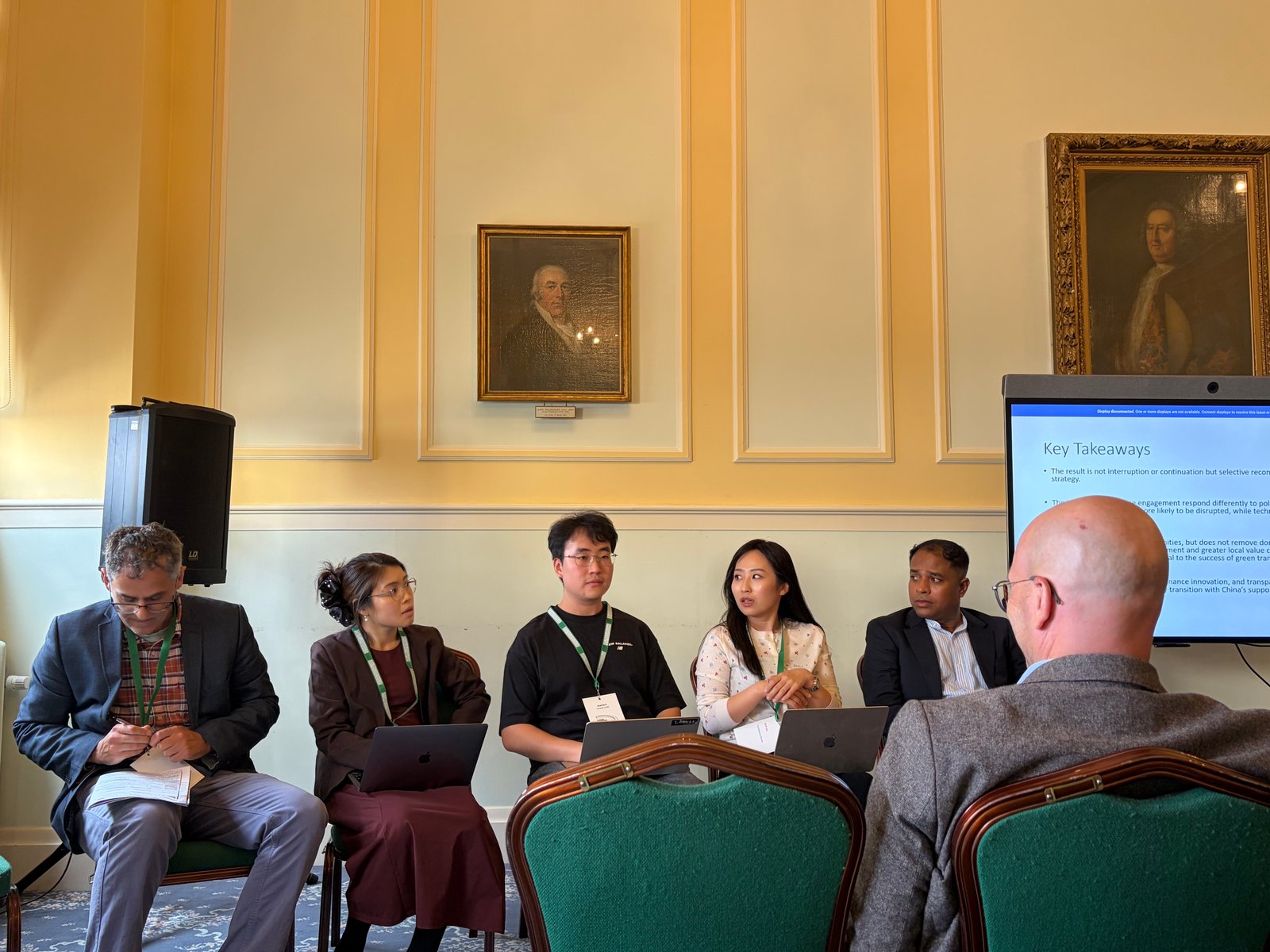
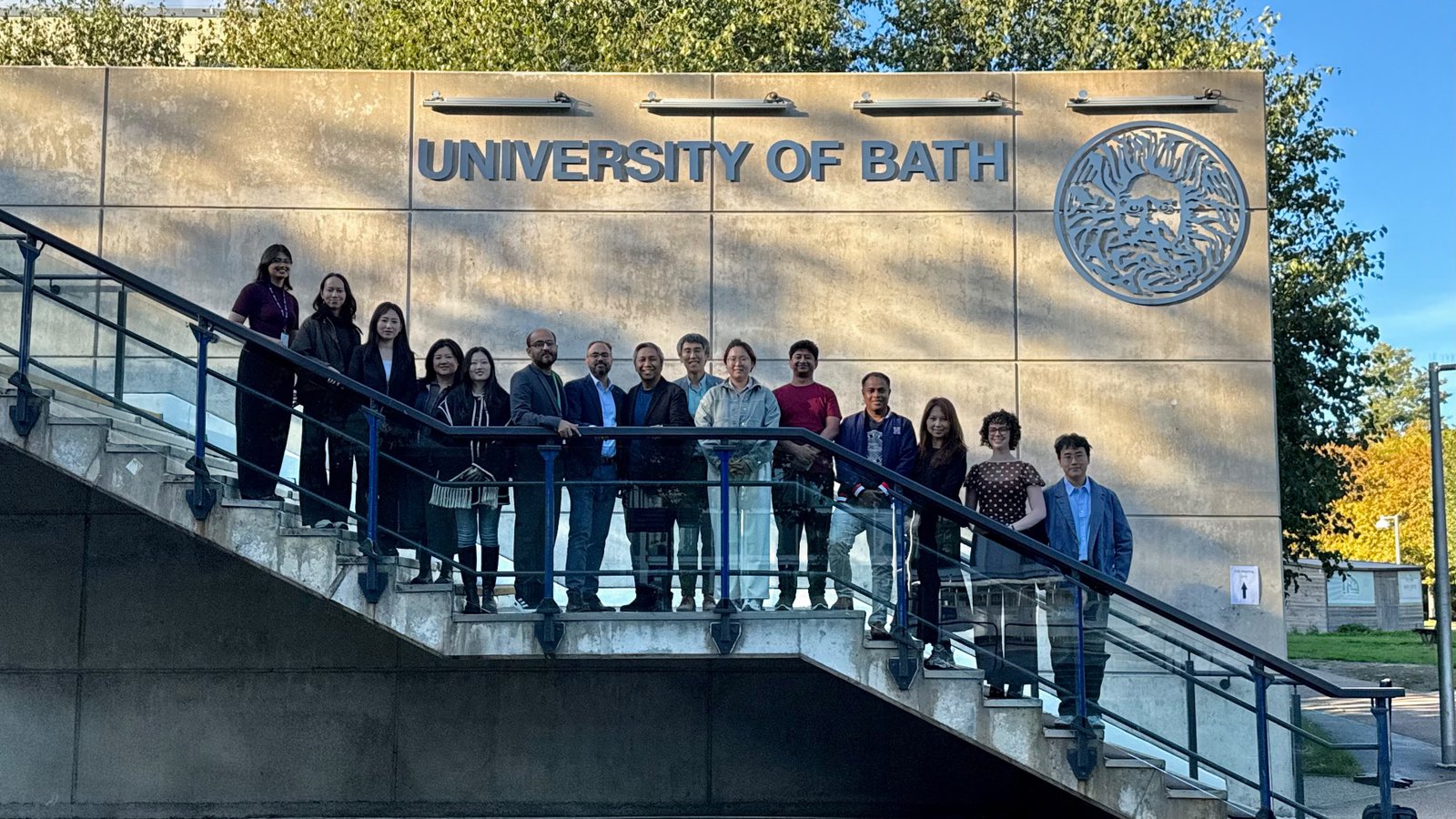
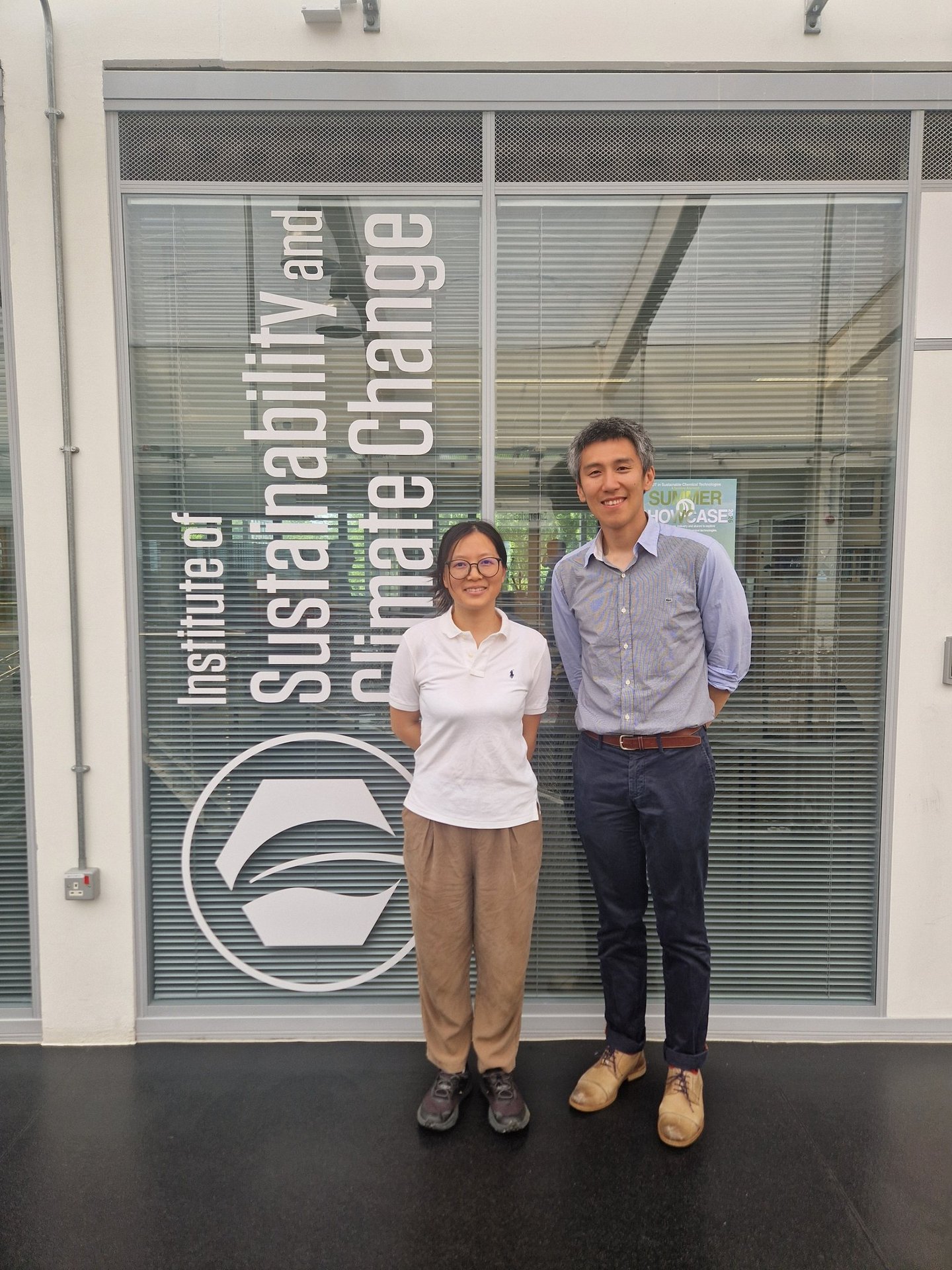
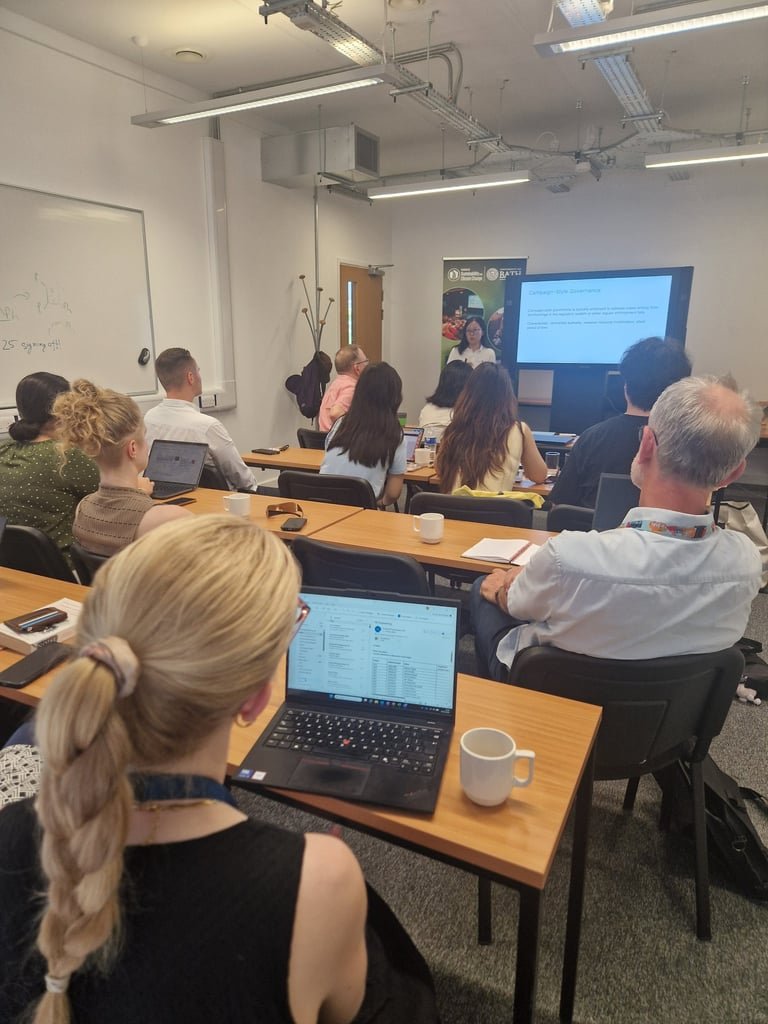
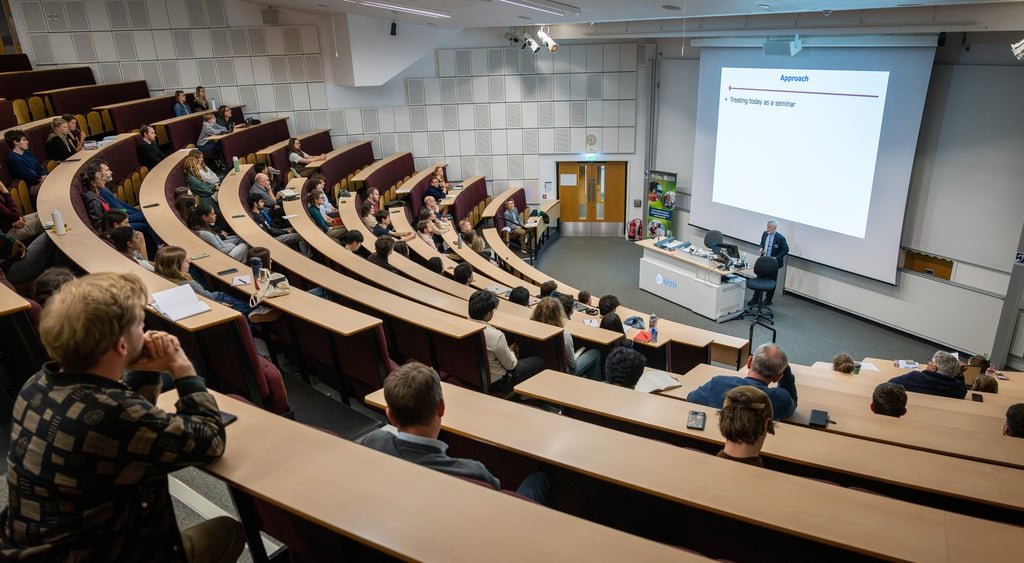
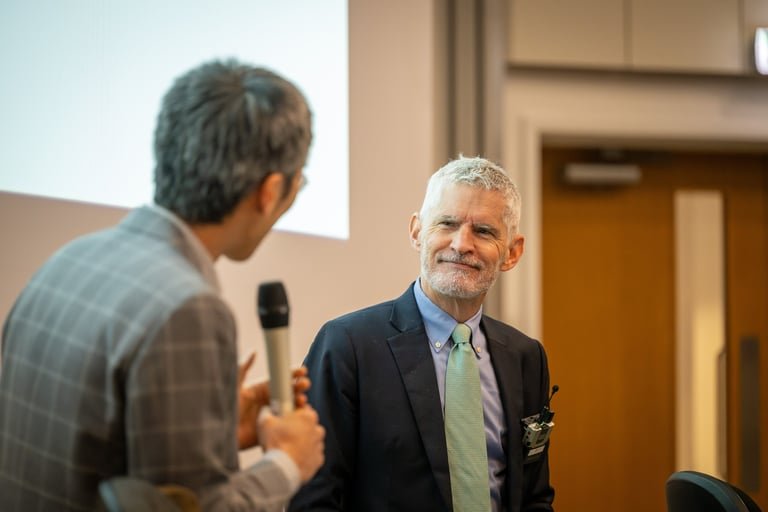
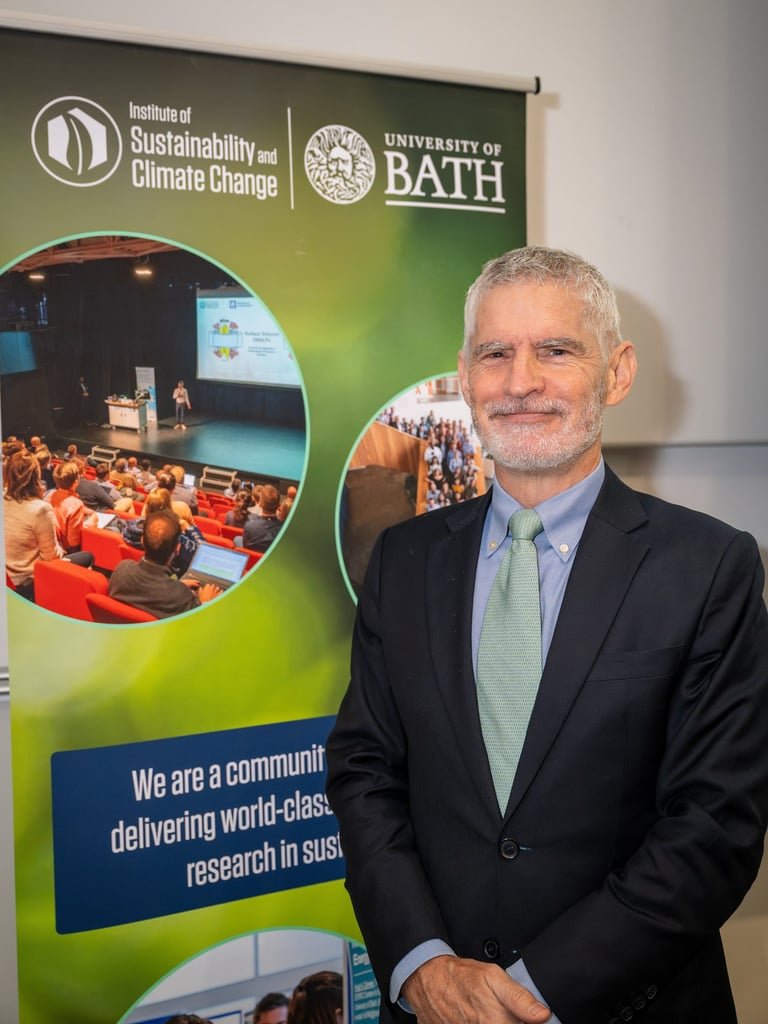
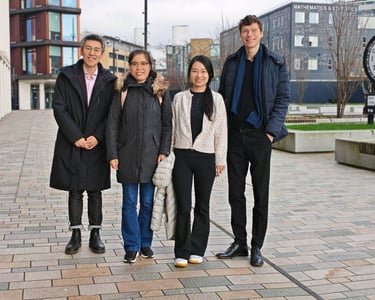
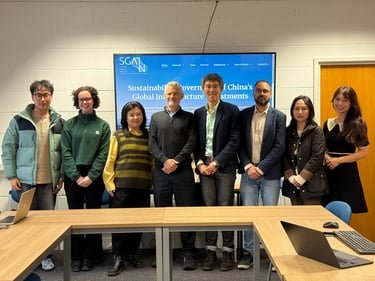
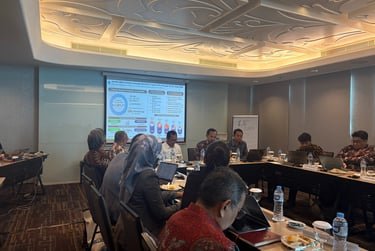
On 26 May 2026, the Institute of Sustainability and Climate Change (ISCC) at
the University of Bath, together with the SGAIN team, hosted Dr Weiye Wang,
Associate Professor at Renmin University of China, for a guest lecture on
environmental governance in China through the Green Shield Action campaign.
Drawing on fieldwork conducted in Fujian Province between 2019 and 2022, Dr
Wang explored how campaign-style environmental governance shapes interactions
between central authorities, local governments, protected area managers, and
local communities. The talk examined the role of political pressure,
ecological protection, and policy adjustment in China’s environmental
governance system, while also discussing the broader implications of
authoritarian environmentalism and ecological governance reform.
The seminar brought together staff and students from across disciplines and
generated engaging discussions on environmental governance, conservation
policy, and sustainability transitions in China and beyond.
Spring 2026
Colorado State University Visit
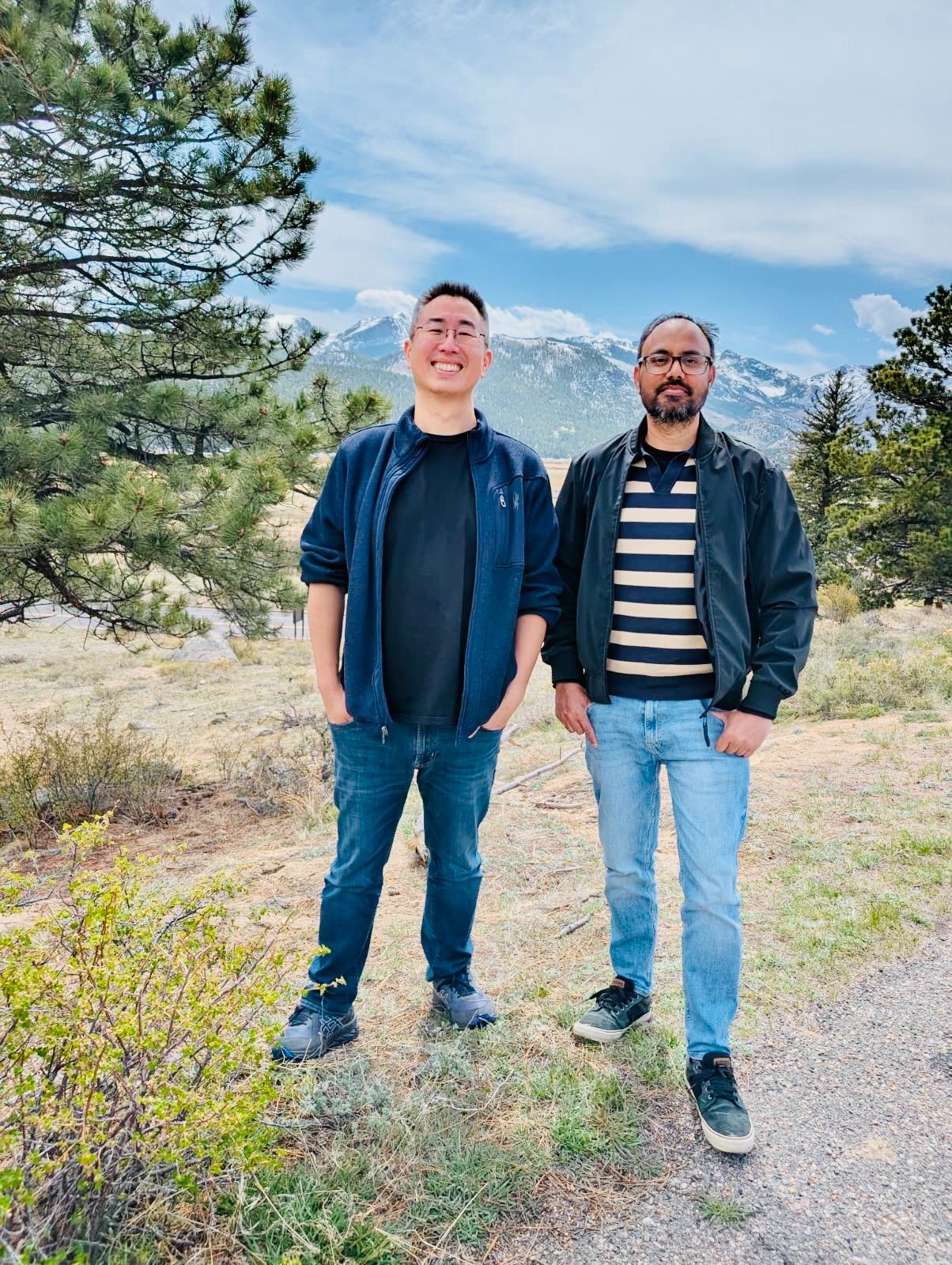
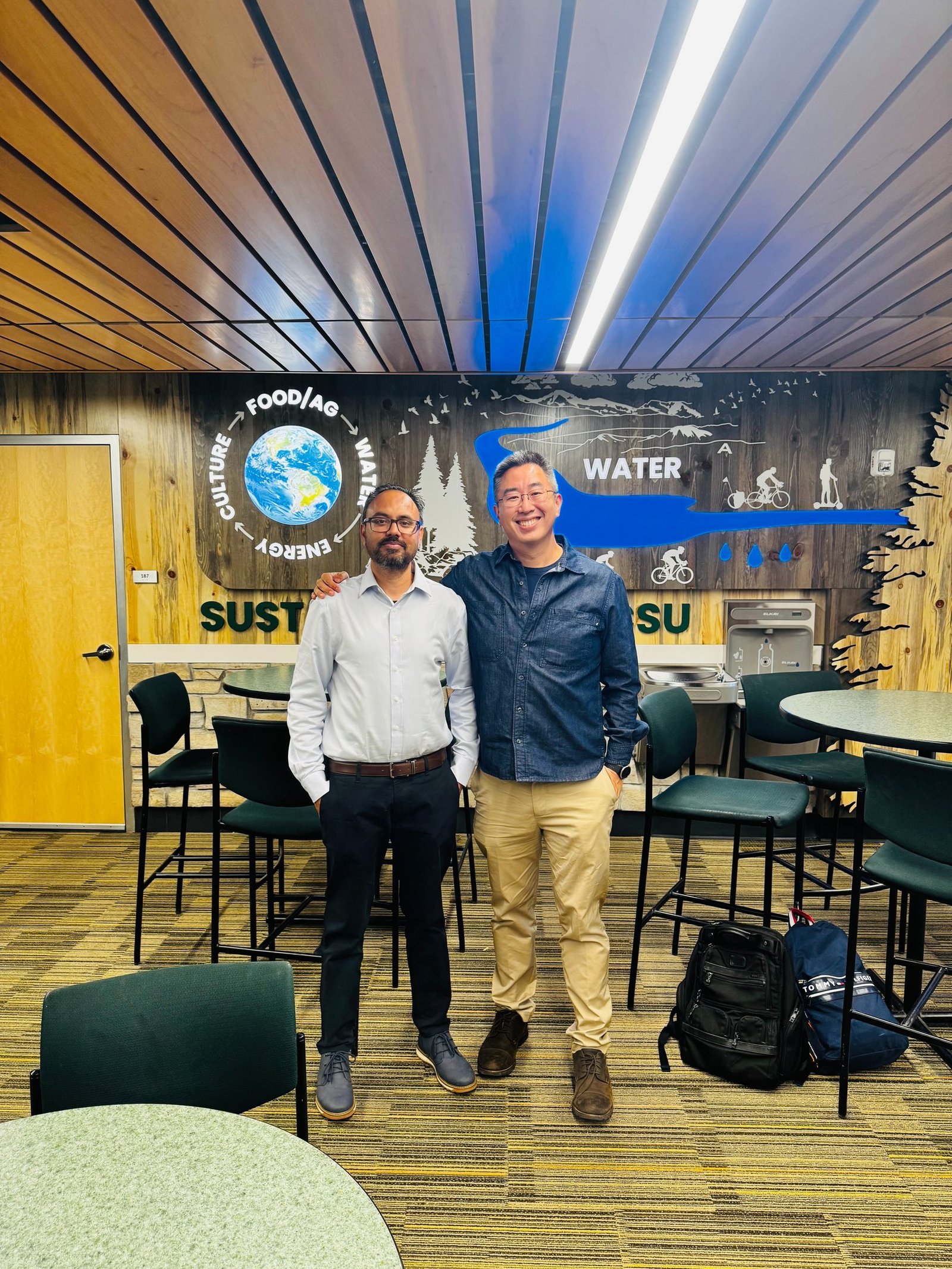
Doctoral Researcher Muhammad Faisal Sharif undertook a six-week Overseas
Institutional Visit at the Center for Environmental Justice, Colorado State
University, supported by the ESRC South West Doctoral Training Partnership
(SWDTP).
During his stay at CSU, Faisal participated in research discussions, seminars,
workshops, and meetings, including engagements with the Energy Institute, the
Institute for the Built Environment, and the Alliance Center for
Sustainability in Denver. He also delivered a talk titled “Beyond the Grid:
Energy Governance, Justice and Pakistan’s People-Led Solar Transition in the
Global South” as part of CEJ’s Java & Justice Speaker Series, engaging with
academics, practitioners, and community stakeholders.
We look forward to future collaboration between the University of Bath and
Colorado State University!
14 May 2026
Professor Ben Cashore Bath Visit
SGAIN was delighted to support Professor Ben Cashore’s Global Chair Public
Lecture, “Climate Policy Thermostats: The Planet’s Last Hope?”, held on
Thursday, 14 May 2026. Hosted by Prof. Yixian Sun and co-hosted by the
Institute for Sustainability and Climate Change and the Department of Social
& Policy Sciences, the event explored why decades of climate policy
experimentation have not yet delivered the scale of action required to avoid
catastrophic warming.
Professor Cashore introduced the idea of “thermostatic institutions”: policy
systems capable of maintaining long-term objectives by automatically adjusting
as conditions change. Drawing on examples from non-climate domains, he argued
that climate change should be treated as a “prioritisation” problem, requiring
stronger authority, clearer objectives and more interdisciplinary policy
design. The lecture opened up important questions around governance capacity,
compliance, policy learning and the institutional innovations needed to keep
the 1.5/2°C goal within reach.
April 2026
Field Research in Bangladesh
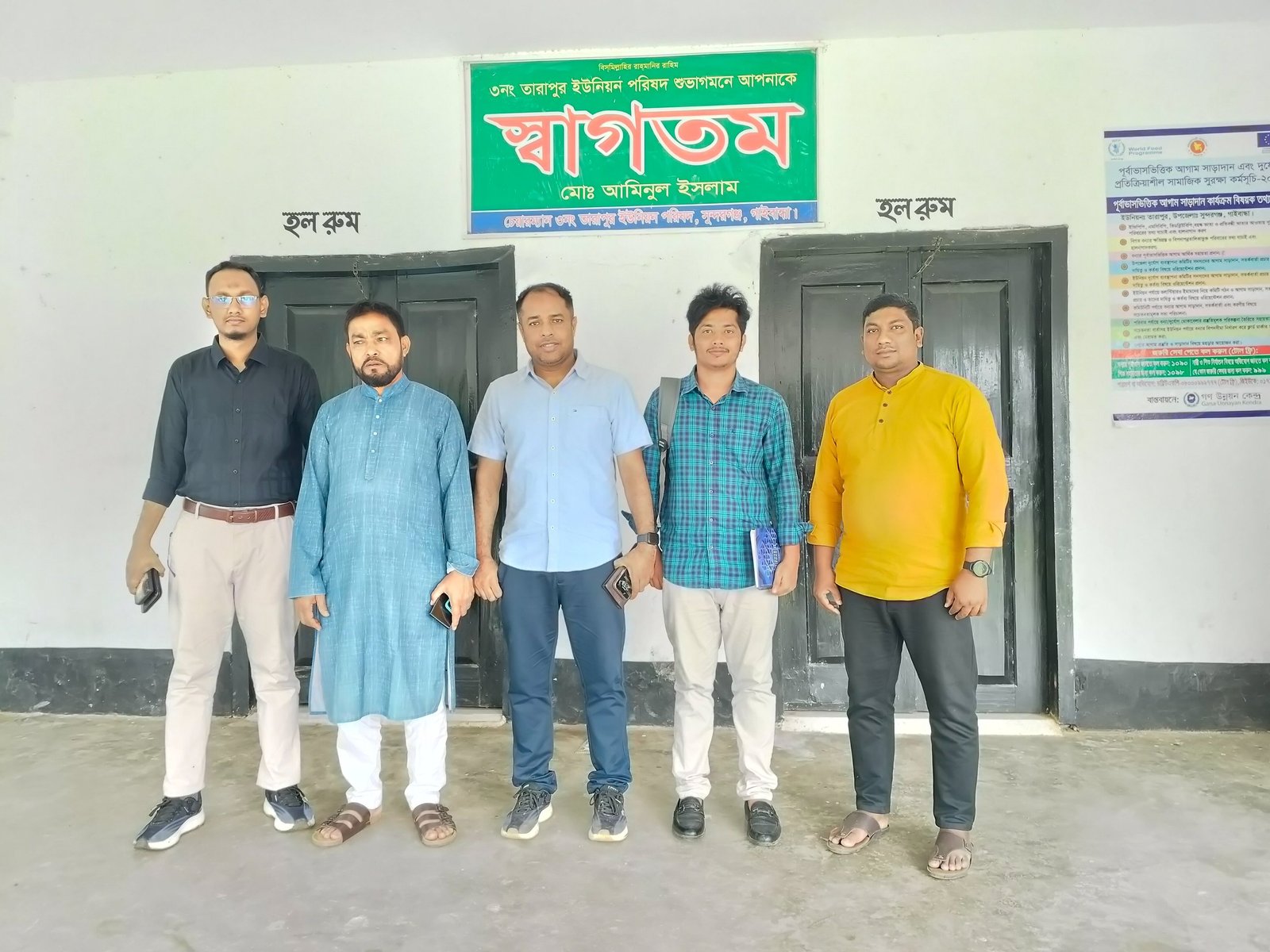
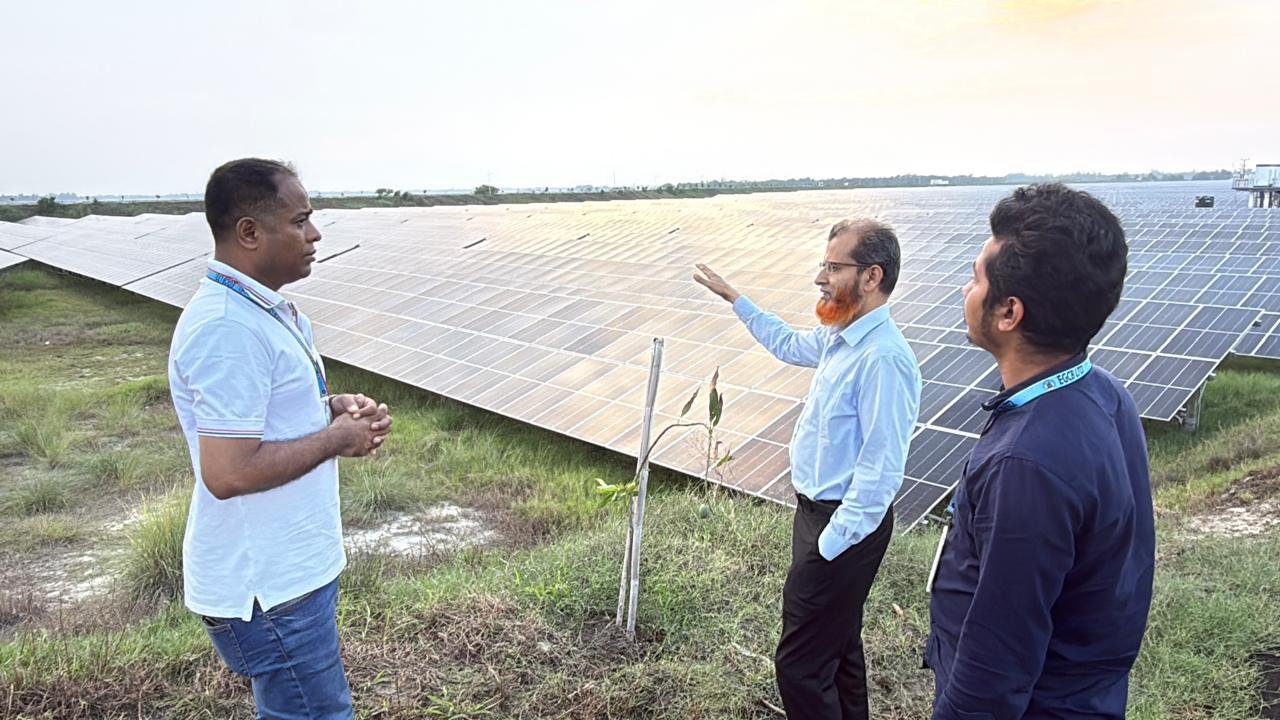
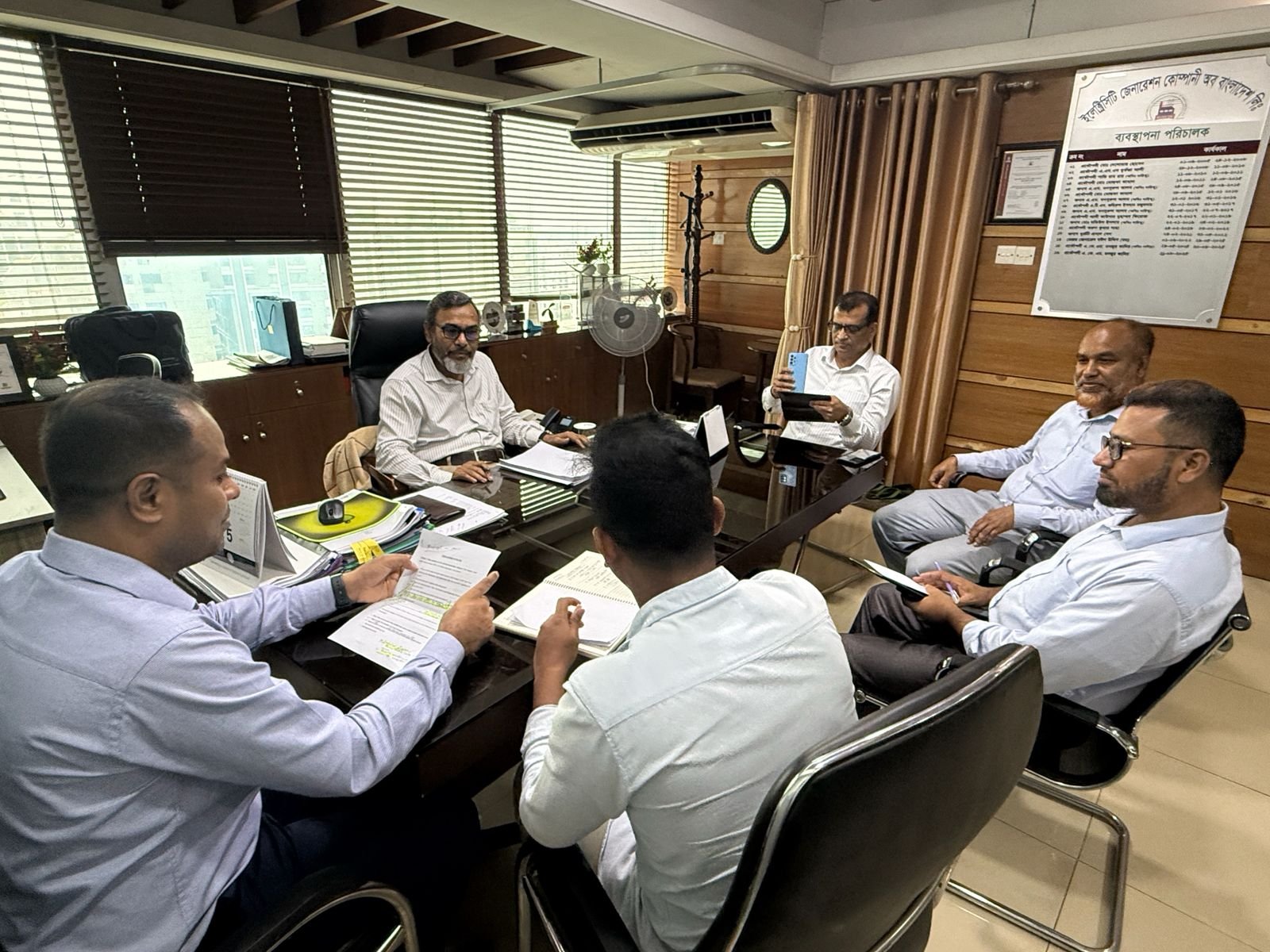
We are pleased to announce that the Bangladesh team has successfully completed
major fieldwork under the ongoing SGAIN research project in Bangladesh.
The field investigation was carried out in two phases at two large-scale solar
power plants under the leadership of Dr. Muhammad Badrul Hasan and his research
team. At both research sites, the team conducted focus group discussions and
in-depth interviews with local community members and stakeholders.
The fieldwork generated valuable insights into local perceptions of Chinese
investment as well as the socio-economic and environmental impacts of
large-scale solar power projects in Bangladesh.
April 2026
Field Research in Jakarta
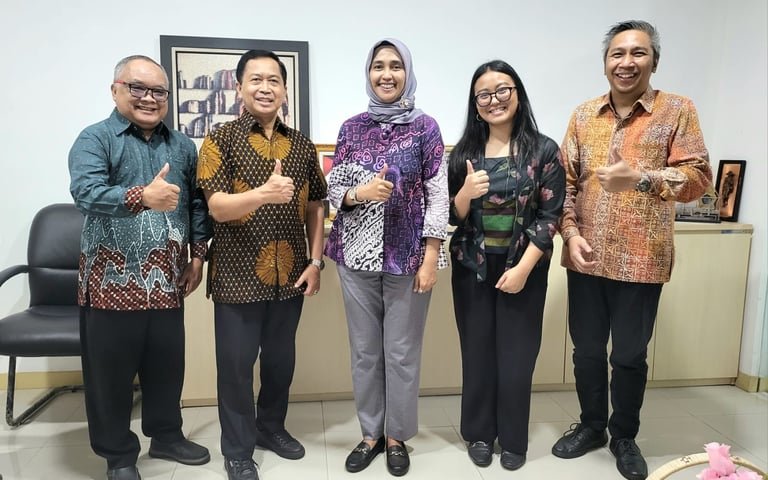
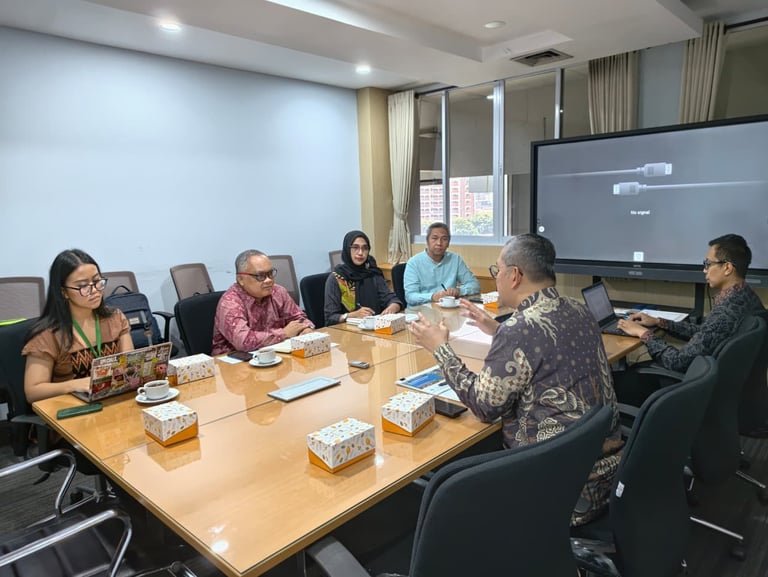
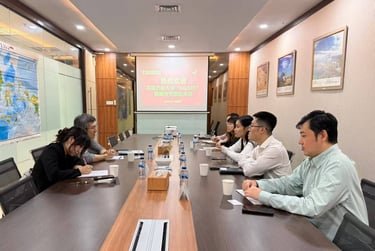
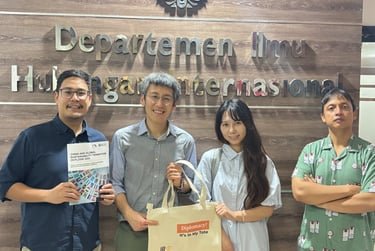
We are excited to share that from 12-15 April 2026, the SGAIN Indonesia team
conducted its second round of fieldwork, visiting key national stakeholders in
Jakarta, Indonesia, where researchers Nur Rachmat Yuliantoro, Maharani
Hapsari, Randy Nandyatama, and Nadya Zafira conducted interviews. This
round of fieldwork serves to collect data at the national level in order to
complement data at the sub-national and local levels that were gained through
our previous fieldwork in West Java in 2025.
The Jakarta fieldwork provided valuable insights to deepen our understanding
of the challenges and opportunities of Indonesia’s energy transition. As a
follow-up, more interviews with government key stakeholders are planned.
April 2026
Advisory Academic Council Appointment
Project PI Dr Yixian Sun has been appointed to the Academic Advisory Council
(AAC) of the United Nations Forum on Sustainability Standards (UNFSS) .
By contributing to this global network of leading scholars, Yixian brings
expertise in global value chains, sustainability governance, and the green
transition in China, supporting deeper analysis of how voluntary
sustainability standards (VSS) shape firm behaviour and international
production networks.
We look forward to seeing contributions to the development of global
sustainable value chains with stakeholders involved in the forum through
research and policy dialogues! More information on the AAC can be found here
March 2026
ISA Annual Convention in Columbus, Ohio
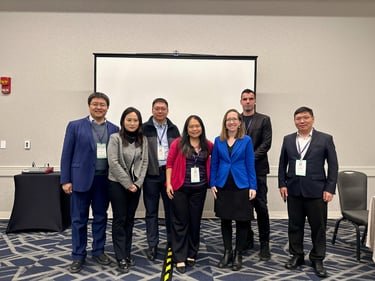
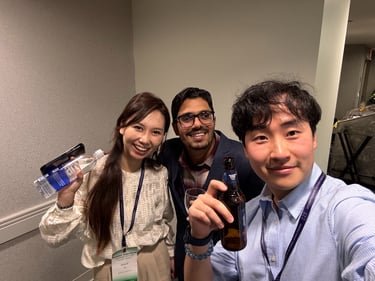
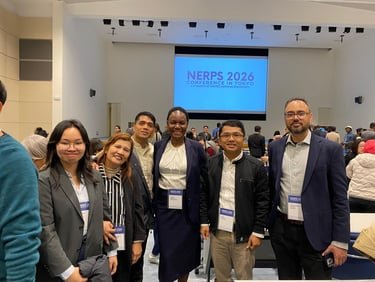
From 22–25 March 2026, SGAIN researchers attended the 67th Annual Convention
of the International Studies Association (ISA) in Columbus, Ohio. The
convention brought together thousands of scholars and practitioners from
across the globe to engage with the latest research in international relations,
global governance, and sustainability. SGAIN was well represented at this
year’s convention, with three team members presenting research and chairing
panels across a wide range of topics central to the project’s mission.
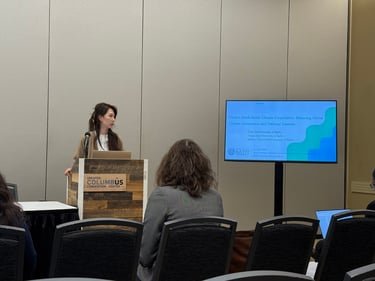
SGAIN Postdoctoral Researcher Yitong Ye presented two papers at the
convention. The first, co-authored with PI Dr. Yixian Sun, examined soft power
and competing media narratives surrounding China’s overseas engagement. The
second, co-authored with Postdoctoral Researcher at the Potsdam Institute for
Climate Impact Research Xiaoran Li and Dr. Sun, explored policy connections in
China’s national climate governance since the Paris Agreement. In addition to
her presentations, Yitong also chaired the panel Greening China’s Overseas
Investments and Its Implications for Sustainable Development, bringing together
scholars examining the environmental dimensions of China’s global economic
footprint.
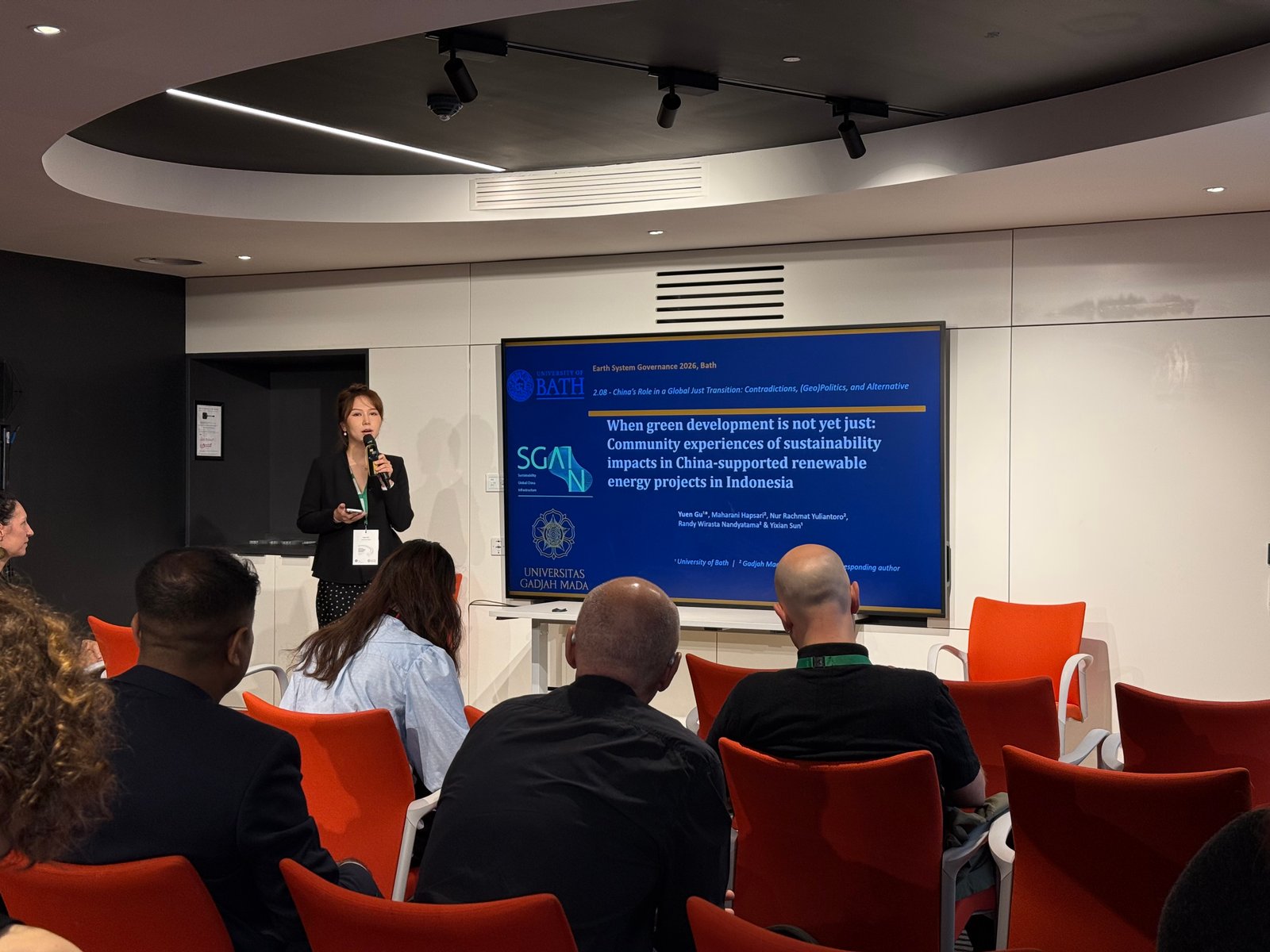
PhD Researcher Yuen Gu presented two papers drawing on the SGAIN project’s
comparative and Indonesia-focused research. The first, co-authored with Dr.
Sun and Reader at the University of Bath, Dr. Michael Bloomfield, analysed
China’s South-South climate cooperation and the tension between global climate
governance and national interests. The second, co-authored with SGAIN’s
Indonesia team (based at Gadjah Mada University) — Dr. Maharani Hapsari, Dr.
Randy Wirasta Nandyatama, and Prof. Nur Rachmat Yuliantoro — alongside Dr. Sun,
investigated community experiences of partial justice in China-supported
renewable energy projects in Indonesia, offering grounded perspectives from
the Global South on the social dimensions of clean energy transitions.
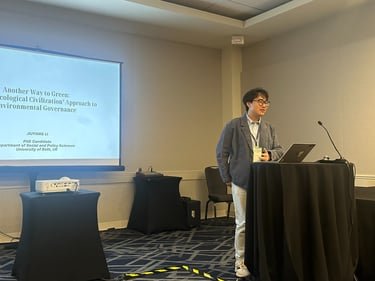
PhD Researcher Jiuyang Li presented two papers and chaired a panel. His
co-authored paper with Dr. Sun and Dr. Bloomfield examined how China’s
South-South environmental cooperation engages with and reshapes global green
governance norms. His sole-authored paper offered an analysis of China’s
‘Ecological Civilization’ framework as a distinctive approach to environmental
governance. Jiuyang also chaired the panel Addressing the Climate Crisis:
Finance, the Ecological State, and Resilience, facilitating scholarly dialogue
on some of the most pressing structural challenges in global climate
governance.
On the evening of 24 March, the SGAIN team attended the ISA Environmental
Studies Section (ESS) Reception, joining scholars from institutions around the
world who share a commitment to understanding the intersections of
international relations and environmental governance. The reception offered a
valuable opportunity to exchange ideas, explore potential collaborations, and
deepen connections with the global community of researchers working on climate
change, sustainability, and global environmental politics. The convention as a
whole reinforced the relevance of SGAIN’s research agenda and helped expand the
project’s network at a critical moment for global climate governance.
March 2026
NERPS Conference in Tokyo
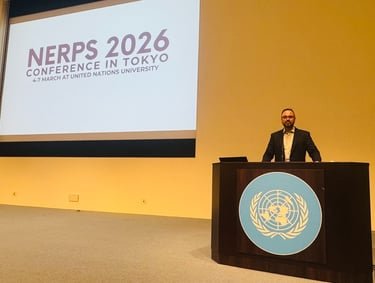
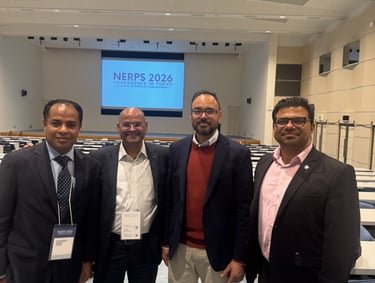
On 4–6 March 2026, SGAIN researchers had the opportunity to share our work at
the Network for Education and Research on Peace and Sustainability Conference
in Tokyo. The conference, organized by Hiroshima University, brought together
over 300 scholars and practitioners from across the globe to discuss
sustainability, governance, and global challenges. SGAIN Doctoral
Researcher Muhammad Faisal Sharif presented his research in the Clean and
Affordable Energy session, where he discussed emerging dynamics in energy
transitions, governance, and the attainment of SDG 7 in the Global South, with
a particular focus on Pakistan.
Associate Professor at the University of Dhaka and SGAIN collaborator from
Bangladesh, Muhammad Badrul Hasan, Ph.D also presented his research on
Governance Quality and Sustainable Development Goals in Developing Countries.
The conference provided an excellent platform to share insights and connect
with researchers working on climate action, inclusive development, and
sustainable energy transitions.
March 2026
Research Presentation in Glasgow
On 4 March, our PI Dr Yixian Sun was invited to give a talk at the Political
Economy Future Forum Seminar at the University of Glasgow. He presented a paper
introducing our China's Global Environmental Leadership (CGEL) Database and highlighted key findings on China's rising leadership in global
environmental governance. Researchers from different disciplines at the
University attended the workshop and provided insightful feedback on our
research. We are grateful for the invitation of Prof Bernhard Reinsberg and
look forward to deepening our collaboration with Glasgow.
February 2026
Professor Cashore Visit
Last week, University of Bath's Global Chair and SGAIN Advisory Board
member Benjamin Cashore visited Bath. Professor of Public Management at the
National University of Singapore (NUS) and Director of the Institute for
Environment & Sustainability (IES) at NUS' Lee Kuan Yew School of
Public Policy, Professor Cashore is a globally-recognised scholar in the field
of environmental governance and public policy. Through his leadership in
designing and facilitating collaborative, multi-stakeholder policy processes,
Professor Cashore has illuminated new pathways for tackling “super wicked”
problems—environmental challenges marked by their urgency, complexity, and
resistance to conventional remedies.
Ben met with the Bath SGAIN team members and offered some important advice to
our early-career researchers and their projects, using his expertise in how
public and private actors collaborate to address complex environmental
challenges to suggest future pathways and research opportunities.
February 2026
Stakeholder workshop and field research in Jakarta
On 3 February 2026, the SGAIN Indonesia team organised a workshop in Jakarta,
entitled “Advancing Indonesia-China Partnerships for Clean Energy Transition:
Policy, Governance, and Practices”. Over thirty representatives of Indonesian
and Chinese governments, businesses, and civil society participated in the
workshop together in Jakarta as part of the SGAIN project’s stakeholder
workshop to share opportunities and challenges to collaboration in the clean
energy sector and identify pathways to better leverage China’s support for the
acceleration of Indonesia’s energy transition.
The workshop was opened by Dr. Sun, who gave a keynote speech on China’s
shifting role in global climate governance. As lead of SGAIN Indonesia team,
Prof. Dr. Nur Rachmat Yuliantoro outlined key findings from the SGAIN
project’s research in Indonesia. This was followed by three thematic sessions
focused respectively on governance for Indonesia’s energy transition, Chinese
companies’ engagement, and just transition for local communities. Speakers
included representatives from the Ministry of National Development and Planning
(Bappenas), Ministry of Investment and Downstream Industry (BKPM), and the
Ministry of Energy and Mineral Resources (ESDM), PT Aruna Cahay Pratama,
Asosiasi Energi Surya Indonesia, Center for Economic and Law Studies (CELIOS),
SMERU Institute, GermanWatch, Indonesia Climate and Growth Dialogue, and
Universitas Indonesia.
Altogether, the workshop has produced valuable insights from a diversity of
stakeholders in Indonesia’s energy transition, helped to enhance exchanges and
coordination among them, and potentially can open up new avenues for clean
energy cooperation between Indonesia and China. Based on the workshop
discussions, we will develop policy brief with concrete policy recommendations
to both Indonesian and Chinese stakeholders.
In the rest of the last week, our project PI Yixian Sun and PhD researcher
Yuen Gu also had meetings with a range of key Chinese companies in the clean
energy supply chains operating in Indonesia. This research trip has
significantly expanded our networks in Indonesia, which will allow us to
produce more relevant and impactful research in coming years.
19-24 January 2026
Yixian's trip to Beijing
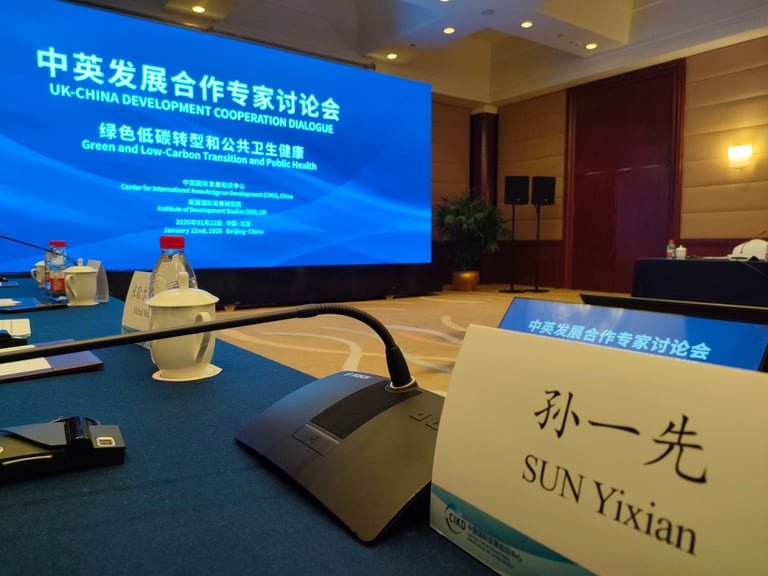
On 19-24 Jan, our PI Dr Yixian Sun had a productive trip in Beijing to attend
several events and meet with collaborators.
On 22 Jan, he participated in the first UK-China Track 2 Developed Cooperation Dialogue co-organised by the Institute of Development Studies and the Center for
International Knowledge on Development. The dialogue convened over 30 senior
experts from China and the UK to exchange views on prospective UK-China
cooperation on international development in two key themes – climate action and
low-carbon transition and public health. As an expert on climate and energy
governance, Dr Sun shared his insights on China’s shifting role in global
climate governance and complementary advantages of China and the UK in
supporting energy transition in the Global South. The dialogue aims to advise
the policies in both countries on international development cooperation and
enhance cooperation between the two governments.
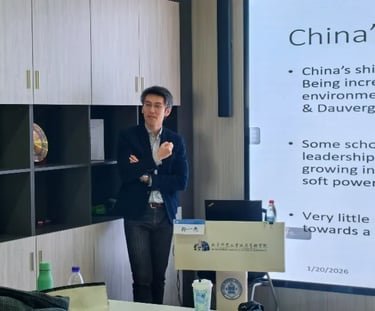
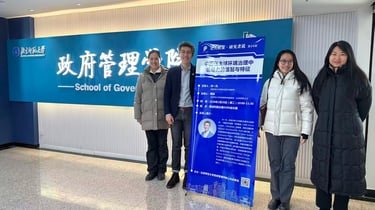
During his time in Beijing, Dr Sun also gave a talk entitled “The rise and
characteristics of China’s leadership in global environmental governance” at
Beijing Normal University, and met collaborators from Peking University,
Tsinghua University, University of International Business and Economics, CHINCA,
Institute for Global Decarbonization Progress, and WRI China.